 Fluxx Tech
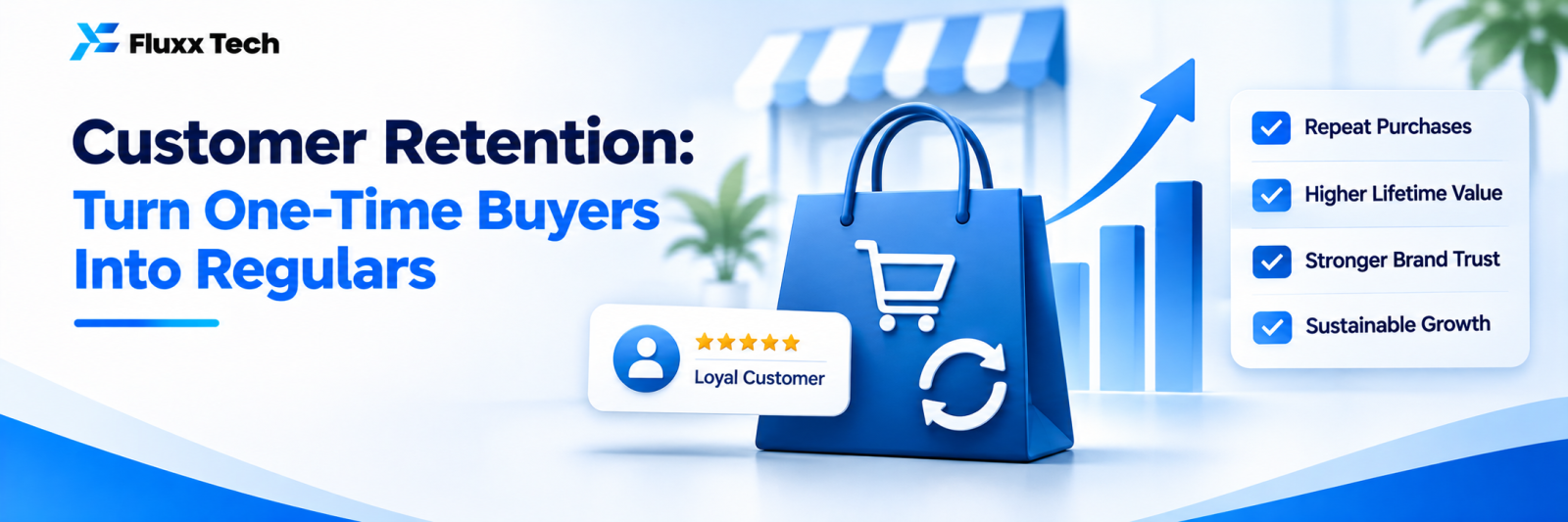
Winning a new customer usually costs more than keeping an existing one. Regular customers also spend more over time, refer friends and leave reviews. Yet many businesses focus entirely on new leads and forget the customers they already have.
Why retention matters
• Lower marketing cost per sale
• More predictable revenue
• Referrals and reviews
• Valuable feedback for improving
Retention strategies that work
1. Excellent first experience
Clear communication, on-time delivery and a friendly follow-up set the tone.
2. Thank-you and check-in messages
A quick message after purchase or service: “Thank you. Is everything working well?”
3. Service and refill reminders
Remind customers when it’s time for the next service, refill, check-up or renewal.
4. Loyalty programmes
Points, punch cards, member pricing or rewards for repeat visits. Keep rules simple.
5. Personal touches
Birthday or anniversary wishes, remembering preferences, and handwritten notes for high-value customers.
6. Useful content
Care tips, how-to guides and seasonal advice related to what they bought.
7. Exclusive access
Early access to new products, sales or limited slots for regular customers.
8. Ask for feedback and act on it
Short surveys or WhatsApp questions. Thank customers for feedback and show what you changed.
9. Fix problems quickly
A complaint handled well can create a more loyal customer than one with no problem at all.
Tools that help
• CRM with purchase history
• WhatsApp Business API for reminders and updates
• Email for newsletters and offers
• Billing software with customer records
Measure retention
• Repeat purchase rate
• Average time between purchases
• Customer lifetime value
• Churn rate (customers who stop buying)
Frequently asked questions
How often should I contact existing customers? Often enough to be useful, not annoying. Many businesses aim for a few relevant messages a month.
Are loyalty programmes worth it for small businesses? Simple programmes often are, especially for frequent-purchase businesses.
What’s the easiest first step? A thank-you message and a reminder for the next purchase or service.