Fluxx Tech

An IT consultant for business helps an organisation make technology decisions that support its goals. The consultant may review existing systems, advise on software selection, plan an implementation or identify risks before a major investment. Hiring one is not necessary for every technical task, but independent expertise can be useful when a decision is complex, internal capacity is limited or a project has consequences beyond the IT team.
What does an IT consultant do?
A technology consultant connects business needs with technical options. Depending on the engagement, the work may include process discovery, system assessment, requirements documentation, architecture advice, vendor evaluation, security recommendations, implementation planning and project oversight.
Some consultants focus on strategy and advice; others also help deliver the recommended solution. Clarify whether the engagement includes hands-on implementation, vendor coordination, testing, training or only a report. A recommendation is valuable only when the organisation can act on it.
Signs your business may need external advice
You are planning a major software purchase but cannot confidently compare vendors or total costs. Multiple systems do not share data reliably, forcing staff to maintain duplicate records. A new digital service must integrate with existing operations. Or a project is repeatedly delayed because stakeholders disagree about requirements and priorities.
Other signals include uncertainty about backup and recovery, unclear access permissions, ageing infrastructure, rapid growth that is outpacing current systems or a lack of an internal technology lead. An outside review can help prioritise the issues instead of attempting to solve everything at once.
Choose the right engagement
Begin with a defined question. For example, you might need an independent review of a software proposal, a technology roadmap for the next year or a plan to move selected workloads to the cloud. A focused scope makes it easier to estimate effort and evaluate the outcome.
Agree on deliverables such as a findings report, risk register, options comparison, project roadmap, requirements document or implementation plan. Specify the expected level of detail, stakeholders to interview and decisions the report should support.
How to evaluate a consultant
Look for relevant experience with businesses, systems and constraints similar to yours. Ask how the consultant approaches discovery, documents assumptions, manages conflicts of interest and explains technical trade-offs to non-technical stakeholders. References or anonymised examples can help you assess practical experience.
Check independence where vendor recommendations are involved. If the consultant receives referral fees or resells products, ask how that relationship is disclosed. A credible adviser should compare alternatives and explain why an option fits the business rather than pushing a predetermined solution.
Questions to ask before hiring
What specific business problem will this engagement address? What will be delivered, and in what format? Who will conduct the work? What information and staff access will be required? How will confidential information be protected? How will success be assessed?
Also ask how recommendations will be prioritised, whether the consultant can support implementation, what is excluded from the fee and how additional work is approved. Confirm ownership of documents, diagrams and other project materials.
Budget and return on investment
Fees depend on the scope, expertise, duration and responsibility involved. A short assessment, a fixed-scope roadmap and ongoing advisory support are different engagements, so compare proposals on deliverables rather than price alone.
Estimate the value of better decisions in terms of avoided rework, reduced operational risk, staff time saved, improved service and a clearer implementation path. These benefits may not all be guaranteed or easy to quantify, but they provide a useful basis for evaluating the investment.
Turn advice into action
Assign an internal owner to review the recommendations and decide which actions to approve. Break the roadmap into immediate fixes, near-term projects and longer-term improvements. Each action should have a responsible person, estimated effort, dependency and target outcome.
Do not let the report sit unused. Schedule a follow-up review, track progress and revisit priorities when the business changes. If the consultant remains involved, agree on how progress and decisions will be documented.
When you may not need a consultant
If the task is routine, low-risk and well understood by your team, an external engagement may add little value. A consultant is not a substitute for clear internal ownership or for the people who must operate the system after delivery.
The strongest engagements fill a specific expertise or capacity gap and leave the organisation better able to make future decisions.
Conclusion
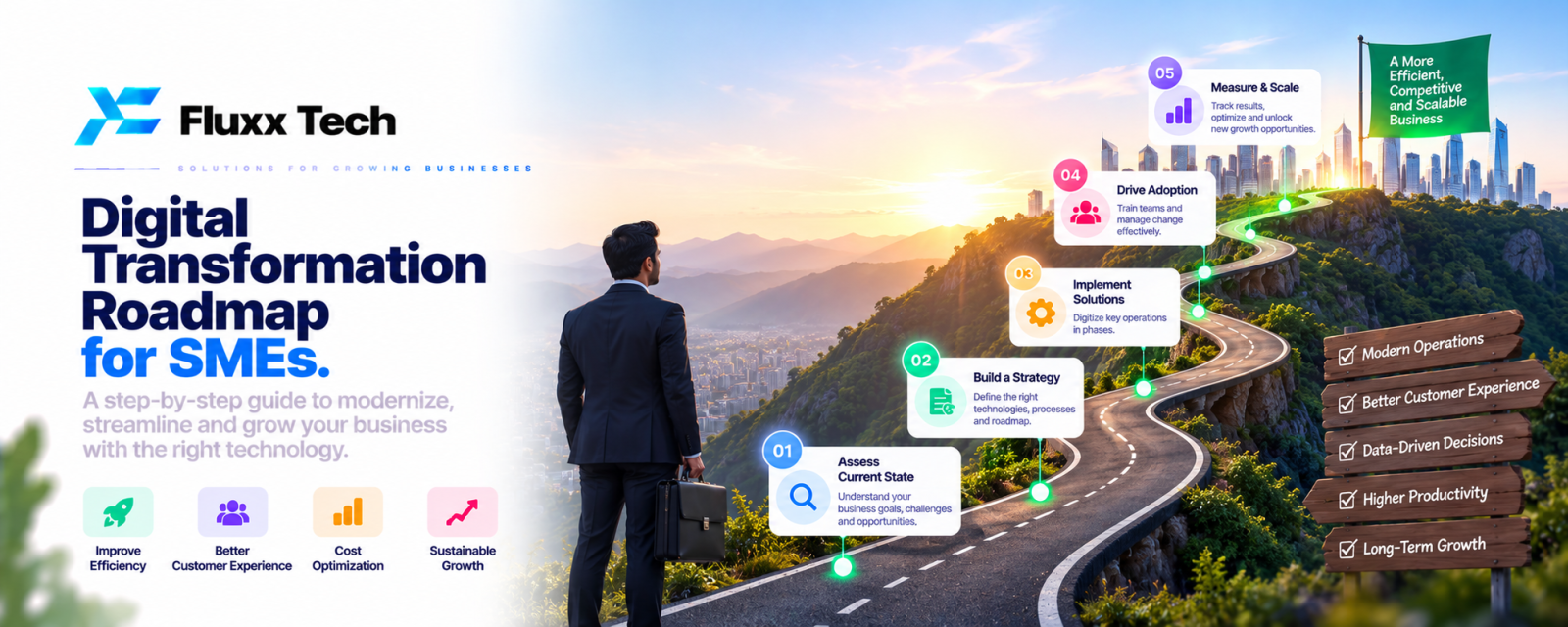
In conclusion, successful technology decisions begin with a clear understanding of business goals, current challenges and the outcomes you need to achieve. Assess the available options, define priorities and plan implementation in manageable stages. Review risks, costs and results regularly so the solution continues to support the business as it grows. A practical roadmap and the right technical guidance can help teams make informed decisions instead of investing in technology without a clear purpose.
Frequently Asked Questions
Does an IT consultant also develop software?
Some do, while others focus on assessment and strategy. Confirm whether implementation is included or needs a separate delivery team.
How long does an IT consulting project take?
A focused assessment may take days or weeks, while a roadmap or complex transformation can take longer. Scope and access to stakeholders strongly affect timing.
What should we prepare before the first meeting?
Bring your business goals, a list of current systems, known problems, constraints, existing proposals and the decisions you need help making.